The Wheel of the Year is a fundamental concept in many pagan and Wiccan traditions, representing the cycle of the seasons and the natural ebb and flow of life. Whether you're a seasoned practitioner or just beginning your journey, understanding this ancient calendar can help deepen your connection to nature and enhance your magical practices.
Table of Contents
- Table of Contents
- What is the Wheel of the Year?
- The Eight Sabbats:
- Preparing for the Sabbats
- Practical Tools for Your Journey:
- FAQs
What is the Wheel of the Year?
The Wheel of the Year consists of eight sabbats, or festivals, that are celebrated throughout the year. These sabbats mark the changing seasons and the key solar events, including the solstices and equinoxes. Each festival holds its own unique significance and is an opportunity to honor the Earth's cycles, reflect on personal growth, and celebrate life.
The Eight Sabbats:
- Samhain (October 31st to November 1st): Often considered the Witches' New Year, Samhain is a time to honor ancestors and embrace the cycle of life and death.
- Yule (Winter Solstice, around December 21st): The longest night of the year, Yule is a celebration of the returning light, as the days begin to grow longer.
- Imbolc (February 1st to 2nd): A festival of light and purification marking the midpoint between winter and spring.
- Ostara (Spring Equinox, around March 21st): Celebrating rebirth and renewal, Ostara is the perfect time to plant seeds and embrace new beginnings.
- Beltane (April 30th to May 1st): A vibrant celebration of fertility, growth, and the peak of spring.
- Litha (Summer Solstice, around June 21st): The longest day of the year, Litha celebrates the power of the sun and the vibrant energy of summer.
- Lammas or Lughnasadh (August 1st): A harvest festival marking the first grain harvest and the abundance of the Earth.
- Mabon (Autumn Equinox, around September 21st): A time to give thanks and celebrate the balance of light and dark as we move into the fall.
Preparing for the Sabbats
If you're looking to deepen your connection to the Wheel of the Year, consider incorporating elements of nature into your celebrations. For more insights, visit our article on Embracing Nature in Your Magical Practices.
Practical Tools for Your Journey:

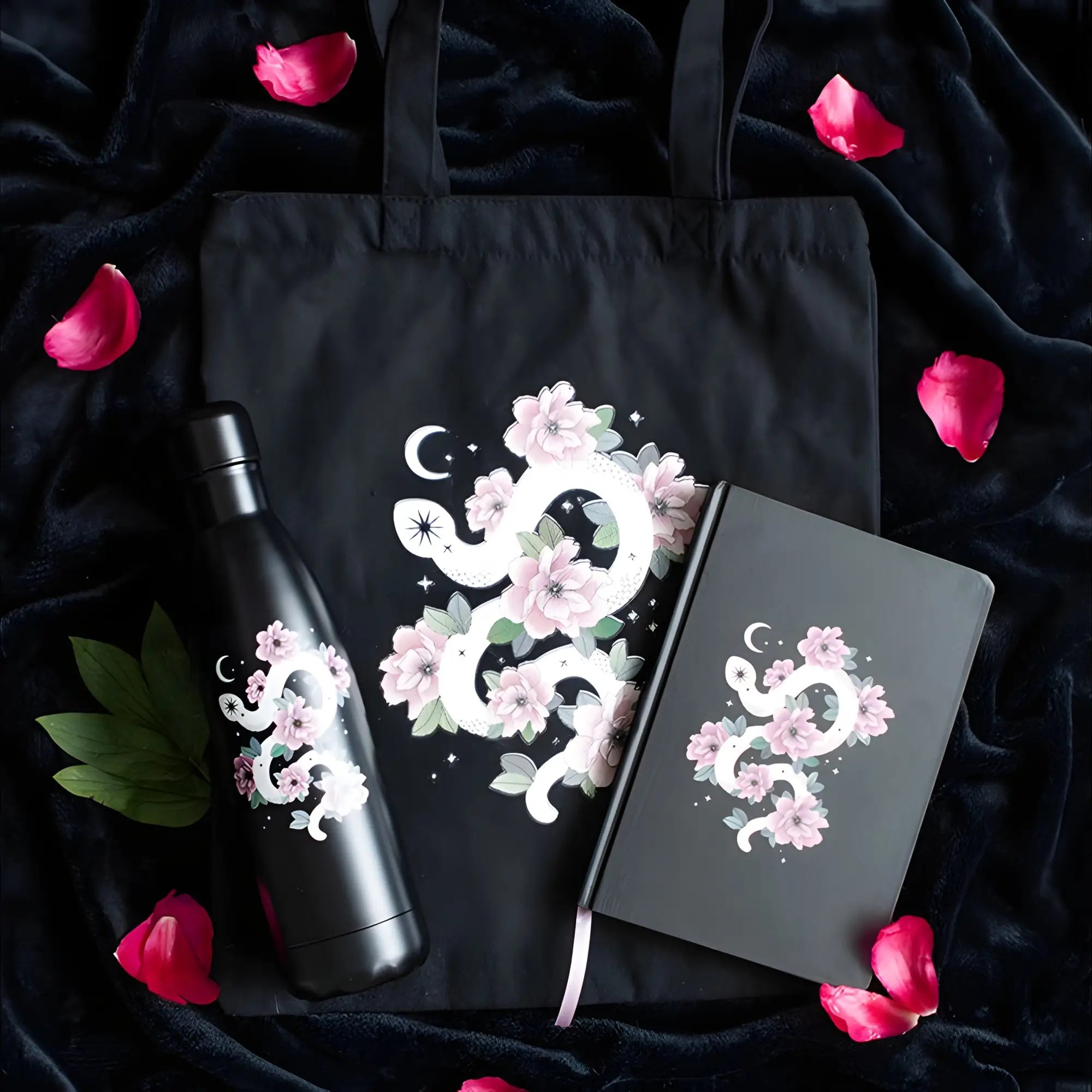
- Witch's Notes A5 Notebook: Keep track of your thoughts, rituals, and inspirations throughout the year with this handy notebook.
- We Are All Witches: Explore the diverse and inclusive nature of witchcraft in this compelling volume, perfect for beginners and seasoned witches alike.
For more in-depth reading and resources, explore the various offerings available at Witch Please.
As you step into the rhythms of the Wheel of the Year, you'll find yourself more attuned to the natural world and more empowered in your magical journey. Enjoy the cycles, celebrate life, and embrace the wisdom and magic that each season brings.
FAQs
What is the Wheel of the Year?
The Wheel of the Year is a pagan calendar that marks eight significant seasonal festivals, known as Sabbats, which celebrate the cycle of nature and the changing of the seasons.
What are the eight Sabbats in the Wheel of the Year?
The eight Sabbats are Samhain, Yule, Imbolc, Ostara, Beltane, Litha, Lammas, and Mabon. Each festival corresponds to a specific point in the agricultural year and is tied to seasonal changes and natural cycles.
How can I celebrate the Wheel of the Year?
You can celebrate the Wheel of the Year by engaging in rituals, creating seasonal altars, conducting nature walks, or hosting gatherings with friends to honor the specific energies and themes of each Sabbat.
Are the celebrations of the Wheel of the Year only for pagans?
While the Wheel of the Year originates from pagan traditions, anyone interested in nature, seasonal cycles, or personal growth can participate in the celebrations, regardless of their spiritual beliefs.
What does each Sabbat symbolize?
Each Sabbat symbolizes different themes: Samhain represents the end of the harvest and honoring ancestors; Yule signifies rebirth and the winter solstice; Imbolc is about purification and new beginnings; Ostara celebrates spring and fertility; Beltane signifies abundance and passion; Litha marks the summer solstice and the peak of the sun; Lammas is a time of gratitude for the first harvest; and Mabon signifies balance and gratitude for the harvest season.
Can I create my own rituals for the Wheel of the Year?
Absolutely! Creating your own rituals can be a meaningful way to connect with the seasons. You can incorporate elements that resonate with you, such as lighting candles, writing affirmations, or crafting seasonal decorations.
How does the Wheel of the Year relate to nature?
The Wheel of the Year is intricately connected to the cycles of nature, reflecting changes in agriculture, weather, and wildlife. Each Sabbat provides an opportunity to honor and align ourselves with the natural world around us.
What is the significance of the seasonal changes in the Wheel of the Year?
The seasonal changes signify not only transitions in the environment but also personal growth and transformation. Each season encourages reflection, renewal, and a deeper connection to both ourselves and the world.
Do I need special tools or supplies to observe the Wheel of the Year?
While some individuals use tools like candles, herbs, crystals, and seasonal decorations, you do not need any special supplies to observe the Wheel of the Year. The most important aspect is your intention and connection to the seasons.