Witchcraft has been a topic of fascination, fear, and misinterpretation throughout history. As society evolves, so too does its perception of witchcraft—from the dark connotations during the witch trials era to today’s more nuanced understanding. In this editorial, we delve into how societal perceptions of witchcraft have shifted over time and explore what this means for modern witchcraft practitioners.
A Historical Glance at Witchcraft
Historically, witchcraft has been shrouded in mystery and often met with skepticism. The witch trials remain a poignant reminder of the destructive power of societal misconceptions. To gain further insight into this dark chapter of history, you may refer to the article A Concise History of the Witch Trials and Their Legacy, which provides a thorough exploration of the events and their lingering influence on public consciousness.
Modern Witchcraft: A Journey Toward Acceptance
Today, witchcraft is increasingly seen as a personal and spiritual practice that emphasizes harmony with nature and self-empowerment. With growing interest in eco-friendly and sustainable materials, many modern practitioners are seeking to align their craft with environmental ethics. The article Empowering Your Craft with Sustainable and Eco-Friendly Materials offers practical tips on how witches can embrace sustainability without compromising their practice.
Products that Inspire
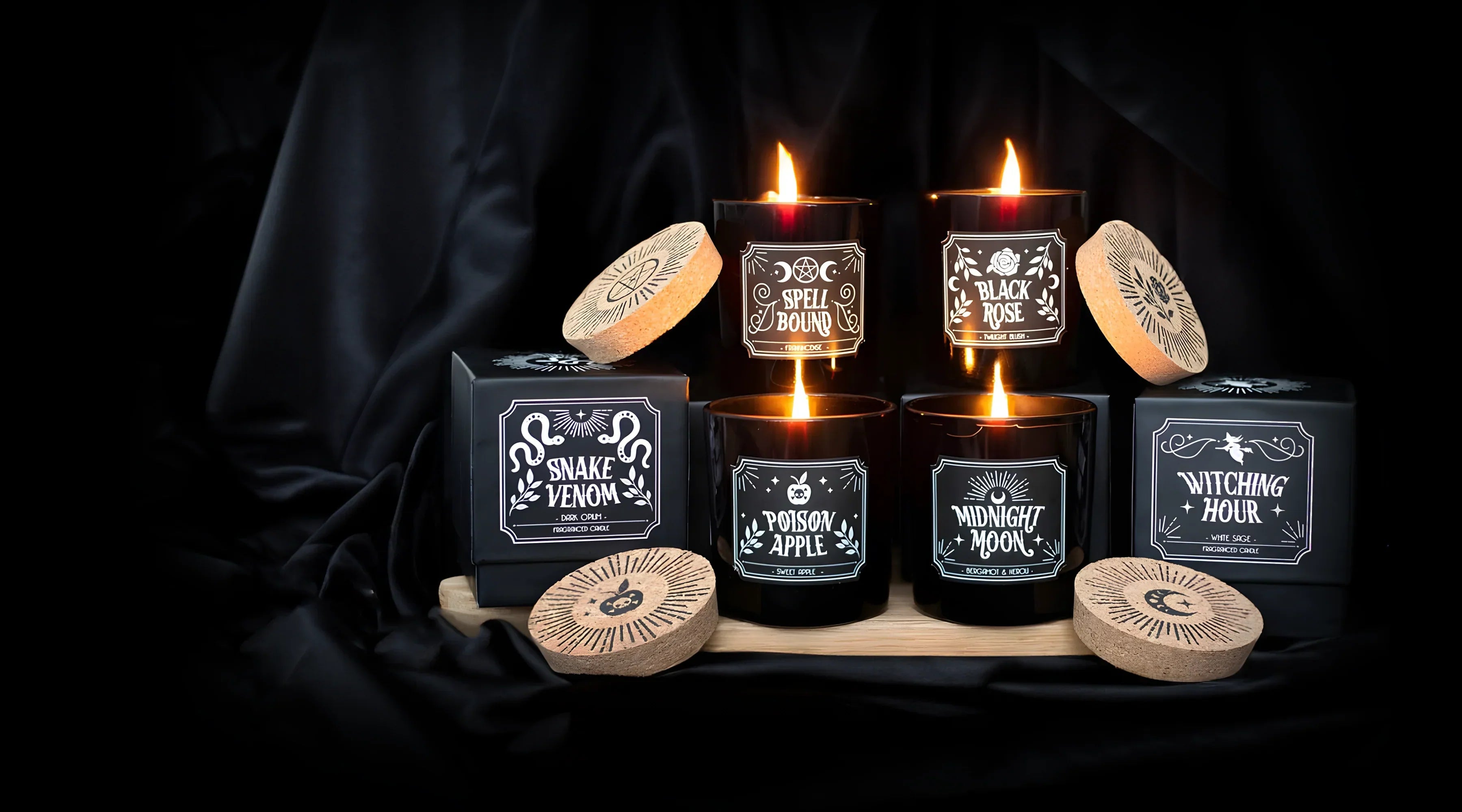
For those who wish to incorporate elements of witchcraft into their daily lives, items like The Wheel of Fortune Vintage Tarot A5 Notebook available here provide a means to document spiritual journeys or morning reflections. Light a candle such as the Ghost Stories Vanilla Bean Candle found here to set the mood for meditation or divination practices.
The Path Forward
As society moves past outdated caricatures of witchcraft, a new appreciation has emerged for its spiritual and aesthetic qualities. This acceptance allows for deeper exploration into self-care practices and personal growth. In understanding how to utilize resources like crystals for healing and positivity, as discussed in the article How to Utilize Crystals for Healing and Positivity, individuals can further enrich their lives with the magic of witchcraft.
By educating ourselves on the history of witchcraft and embracing the spirit of openness and learning, we can all contribute to a society that values diversity and ancient wisdom. For more inspiration and resources, visit Witch Please and explore their curated collection of witchcraft essentials and thought-provoking articles.
Visit us at Witch Please for more insights and products related to modern witchcraft.
FAQs
What is the historical context behind society's perception of witchcraft?
Historically, perceptions of witchcraft have varied significantly across cultures and time periods. In many societies, witches were seen as figures of fear and suspicion, particularly during periods of social upheaval. The European witch hunts of the 16th and 17th centuries are notable examples, where thousands of individuals—predominantly women—were accused of witchcraft and faced persecution due to societal fears and superstitions.
How has modern media influenced the perception of witchcraft?
Modern media plays a crucial role in shaping perceptions of witchcraft. Films, television shows, and literature often portray witches in a variety of ways, from villainous figures to empowered heroes. These depictions can both reinforce negative stereotypes and promote a more nuanced understanding of witchcraft, contributing to a resurgence of interest in modern witchcraft practices and beliefs.
What impact does societal perception of witches have on those who identify as witches today?
For individuals who identify as witches today, societal perceptions can lead to both empowerment and discrimination. While some embrace the term and its connotations of strength and individuality, others may face stigma, misunderstanding, or even hostility from those who hold negative views about witchcraft. This can affect their social interactions, mental health, and sense of belonging.
Are there any positive aspects to the current perception of witchcraft in society?
Yes, there is a growing movement that celebrates witchcraft as a form of empowerment and self-expression. Many people view the resurgence of interest in witchcraft as a way to reclaim feminine power, explore spirituality, and advocate for social justice. This positive perception can foster community among those who practice or are interested in witchcraft.
Why do some people feel threatened by witchcraft?
Fear of witchcraft often stems from historical associations with malevolence and the unknown. For some, the idea of witchcraft challenges established norms and beliefs, leading to feelings of discomfort and threat. Misunderstanding and misinformation can exacerbate these feelings, perpetuating a cycle of fear and stigmatization.
What role do cultural and religious beliefs play in shaping views on witchcraft?
Cultural and religious beliefs significantly influence how witchcraft is perceived. In societies where strict religious norms prevail, witchcraft can be viewed as a challenge to authority or orthodoxy. In contrast, cultures with more diverse spiritual practices may embrace witchcraft as part of their traditions, highlighting the intersection between belief systems and attitudes toward witchcraft.
How do contemporary witches seek to change perceptions of witchcraft?
Contemporary witches often engage in outreach and education to change perceptions. Through workshops, social media campaigns, and participation in community events, they work to dispel myths and share their practices and beliefs. This activism aims to foster a greater understanding of witchcraft and encourage acceptance of diverse spiritual expressions.
What are some common misconceptions about witchcraft today?
Common misconceptions about witchcraft include the belief that all witches practice harmful magic or engage in rituals that are harmful to others. Many people also assume that witchcraft is synonymous with Satanism, which is not true for the majority of practitioners. Educating the public about the diversity of witchcraft can help dispel these myths and promote a more positive view.
How can individuals support a more positive narrative around witchcraft?
Individuals can support a more positive narrative by educating themselves about witchcraft and engaging in respectful conversations. This includes listening to the experiences of those who practice witchcraft, challenging negative stereotypes, and advocating for acceptance and understanding in their communities. Supporting witch-positive media and literature can also help shift societal perceptions.